Closing Costs Explained How Much Are Closing Costs?
Table of Content
When it comes to home-selling, not everyone stages their property. Some people put their house on sale without highlighting its best features. So if they made $400,000 in taxable income they would pay 15% of $30,000, or $4,500 in longterm capital gains on the home sale. If the home sells for a significant profit, the seller may also be subject to capital gains tax on a portion of that amount. Kristina Morales is a REALTOR® with over 20 years of professional experience.

The cost is typically split evenly between the buyer and seller, but this must be negotiated and detailed in the contract. There are limits on how much of your closing costs the seller can pay on your behalf. It can’t exceed 6% of either the appraised value or the purchase price, whichever is lower.
Escrow Fees
If they need to get rid of the home, they may be more willing to work with you on concessions than a seller who can afford to wait for the best possible offer. Are you aware of significant damage to your home or the need to replace or repair a major system? Damage to the roof, the HVAC system, the electrical system and the plumbing system can be red flags for lenders.
Moreover, HOA fees will have to be paid in the new place as well, when there is an overlap. The seller is required to pay for the owner's title insurance. This is a one-time fee that protects the future owner of the house from parties that may claim ownership of the house’s title. Another type of title insurance is the lender’s title insurance, which protects the lender and is paid by the borrower. Similar to property taxes, if you live in a community with a homeowner’s association, you’ll also be required to pay your dues, prorated up to the close date. Your costs at closing can vary widely depending on all of the above items, especially your loan payoff costs, title fees, as well as the commission rates of the agents involved.
When Are Closing Costs Due?
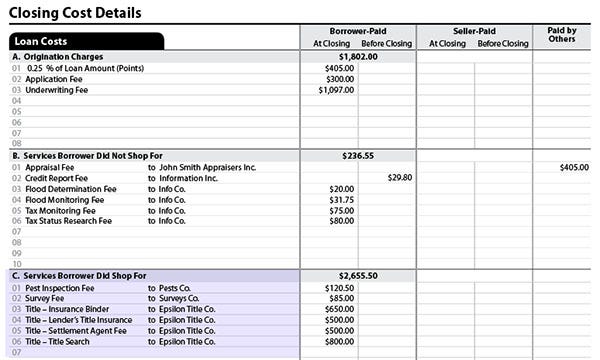
Typical closing costs include a mortgage origination fee, property appraisal fee, title search fee, title insurance premium, and first-year homeowners insurance premium. Note that some of these fees may be negotiable and the seller may agree to chip in as part of your deal. In total, a buyer's closing fees often range from about 3% to 6% of the home's sale price. These closing costs for a home sale are separate from what buyers pay at closing. Closing costs are all of the fees and expenses that buyers and sellers must pay on closing day.
A buyer could also pay discount points unless they go with a no points-no closing cost loan. By law, a home buyer must receive a loan estimate from their lender that details all the costs of buying a home. Understanding who pays specific closing costs is worth knowing as it will likely be some serious money to overlook.
Closing Costs Explained: What Are Closing Costs and How Much Are They?
Another area where you can save money is on realtors’ commissions. Try negotiating with your real estate agent for a reduced fee, or sell your home yourself. Most interested buyers will request that the seller pays some of the closing costs.
Prep and Staging is the act of furnishing your home to give buyers an opportunity to envision the use of each area and room. These are the costs for preparing your home to show to a Realtor. Costs for cleanup, organizing, creating or improving the curb appeal, etc. For loans, many states require a survey, which shows where the property’s legal boundaries are.
#5. HOA Fees Up to Closing
In this series we are going to compare three common selling methodologies. In the first video we are going to talk about selling with a real estate agent. And in the third video we’ll talk about selling to an investor. Hi, my name is Kristina Morales and I’m a licensed real estate agent in the state of California. HouseCashin has asked me to host a video series on what to expect in closing cost when selling a home.
For sellers, it comes down to what you’ve negotiated in terms of concessions and agent commission. In most areas, the buyer and seller each pays half of the total escrow fees. Settlement companies typically charge a base fee, plus a small percentage of the sale price. For example, an escrow company may charge a $1,000 base fee, plus 0.2% of the sale value of the property.
Here’s a breakdown of some of the typical closing costs for sellers. Depending on the state that you are selling the home in, you may be required to have a licensed real estate attorney on your real estate team. If an attorney is required, or hired by choice, the seller is responsible for paying their fees. Be sure to talk to your lender about what will be required to pay off the mortgage so that you get an accurate picture of closing costs.
This type of insurance protects the lender in case you cannot afford to repay your loan. Usually between 0.5% and 1% of the loan, this fee is for processing and underwriting the loan. Underwriting is a part of the process of approving the loan, providing lenders with information such as your credit history and therefore proving that you can repay the loan.
Quite often, buyers will find their assessed value being adjusted by the local government after the sale. More often than not, the taxes will go up in the calendar year after your purchase. One of the more common expenses for a person selling a condominium is what’s referred to as a 6D certificate. The 6D tells the buyer and their lender that you do not have any outstanding condo fees owed to the association.

If you are selling your house for the first time, you may not know what the seller’s closing costs will be. By having the seller pay for certain items in your closing costs, it enables you to make a higher offer. Therefore, you’ll effectively be paying your closing costs throughout the life of the loan rather than upfront at the closing table because they’re now built into your loan amount. This can save you from having to spend a ton of money just to get in the door. But how much depends on the laws and conventions in your city or county, as well as what you negotiate with the buyer.


Comments
Post a Comment